




ESMR from TMC

A dynamic new technology, with better results and ease of use...

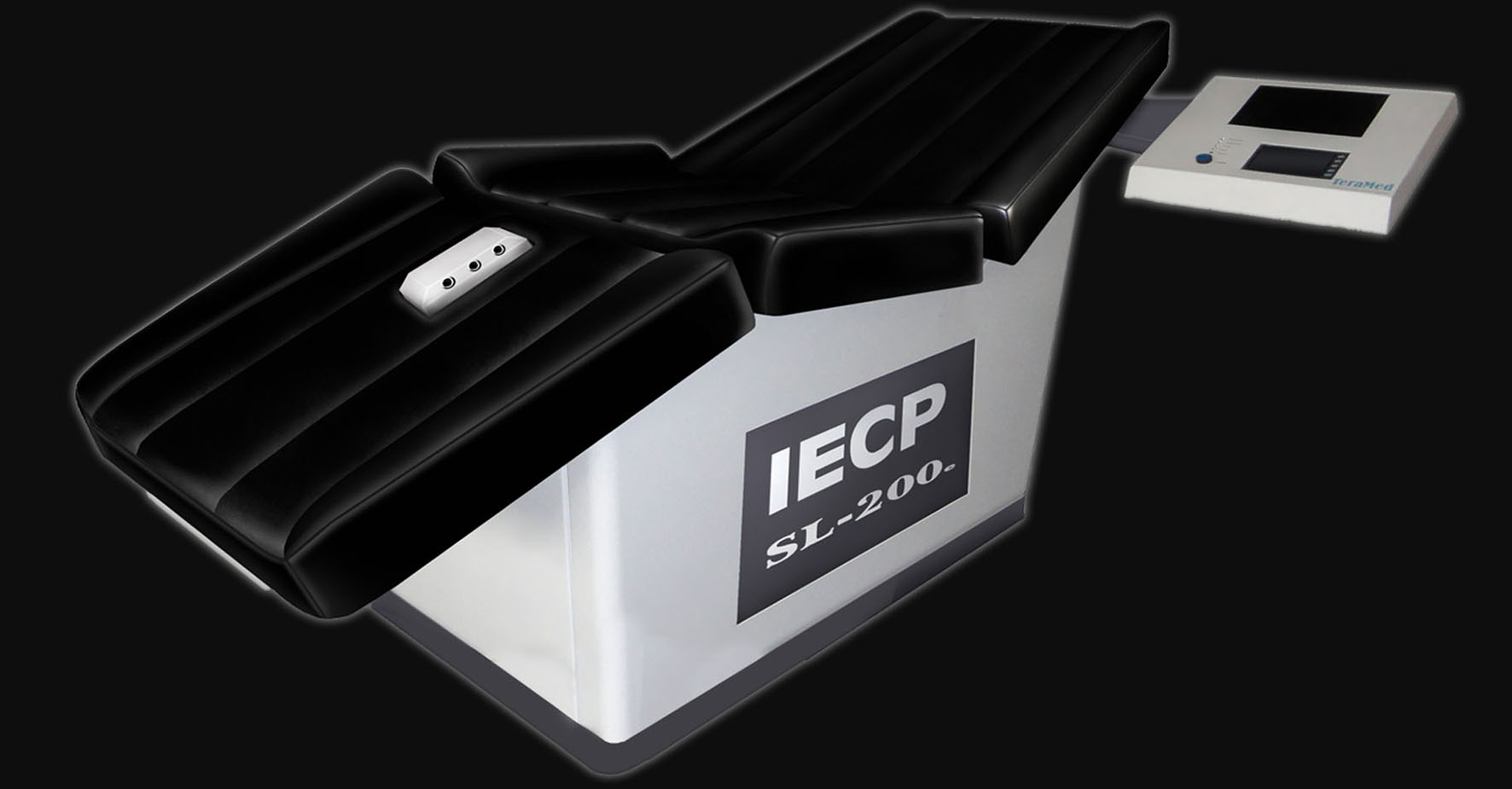
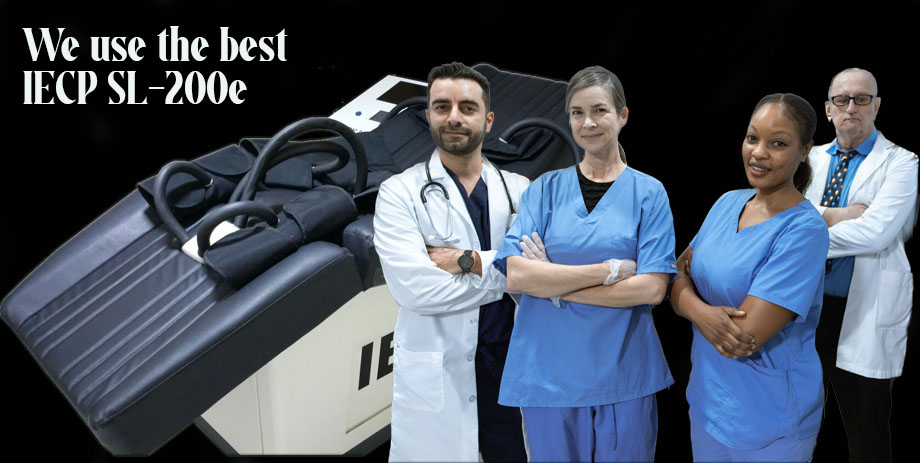
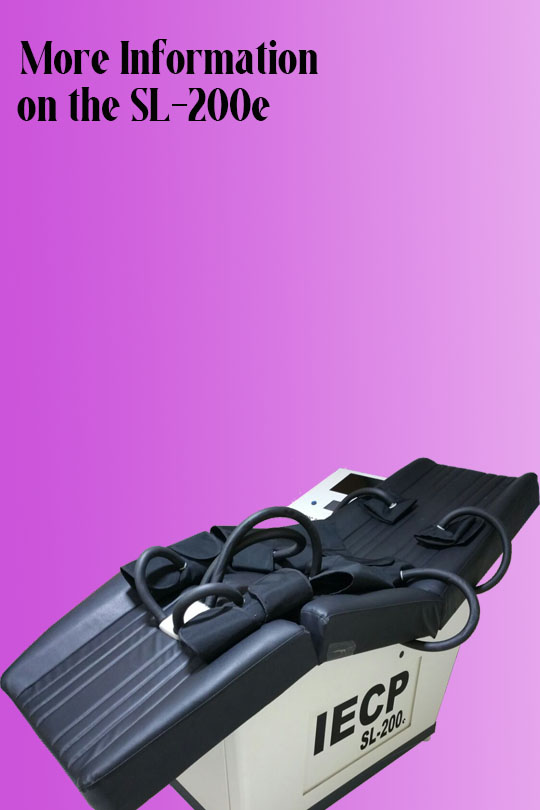
A high standard for design prioritises systematic quality and exclusive features. Turning this philosophy into practice requires rigid Design Controls and an effective Quality Management System. Integrating these components ensures a reliable end product... The TMC's manufactured ESMRs

Minutely tuned, the TMC - Cardiogen delivers an unparalleled therapeutic benefit.
Avatar
TMC Europa Ltd.
Odessa, Ukraine

Signature
How does an ESMR Work?

Basics

ESMR stands for Extracorporeal Shockwave Myocardial Revascularisation and CSMR for Cardiac Shockwave Myocardial Revascularisation . It is a non-invasive therapy that uses shockwave technology to improve blood supply to the heart muscles. This treatment is typically used for patients with refractory angina pectoris or advanced coronary artery disease who are not suitable for conventional procedures like bypass surgery or balloon angioplasty. The shockwaves are intended to stimulate the growth of new blood vessels in the heart muscle, a process known as angiogenesis.

ESMR / CSMR uses low-intensity acoustic shockwaves delivered from outside the body, targeted at the ischemic (low blood flow) areas of the heart.
  • Targeting: A cardiac ultrasound imaging system is used to map the exact position of the ischemic zone.
  • Delivery: Shockwaves are delivered through an acoustic window on the chest, synchronised with the patient's electrocardiogram (ECG).
  • Mechanism: The mechanical pressure from the shockwaves exerts shear stress on the vessel walls, which stimulates the release of growth factors (like VEGF and eNOS) to initiate the formation of new blood vessels.
Flip it
More

What is ESMR? How does ESMR work?


Extracorporeal Shockwave Myocardial Revascularisation (ESMR), also known as Cardiac Shockwave Myocardial Revascularisation (CSMR) is a non-invasive medical procedure that uses low-intensity acoustic shockwaves to stimulate the growth of new blood vessels in the heart muscle. Often referred to as a "natural bypass," it is primarily used for patients with severe coronary artery disease or refractory angina who are not suitable candidates for traditional interventions like bypass surgery or angioplasty.
An ESMR / CSMR system works through a precise combination of advanced imaging, targeted acoustic mechanics, and biological triggers.

Flip it
How is the treatment done?

1. Imaging and Mapping (The Target)


Before applying the shockwaves, the physician must pinpoint the areas of the heart suffering from poor blood supply (ischemic zones).

  • Ultrasound Guidance: A built-in cardiac ultrasound (echocardiography) imaging system maps the exact location and boundaries of the targeted heart tissue.
  • Anatomical Window: The system identifies the ideal physical "acoustic window" through the chest wall to reach the heart without interference from the lungs or bone.

2. Precise Shockwave Delivery (The Action)


Unlike high-energy lithotripsy used to shatter kidney stones, ESMR / CSMR uses low-energy controlled shockwaves to heal tissue rather than destroy it.

  • ECG R-Wave Gating: To guarantee safety, the device is fully synchronised with the patient's electrocardiogram (ECG). The shockwaves are only emitted during the "R-wave" phase of the heartbeat (when the ventricles are refractory), preventing any disruption to the heart's natural rhythm.
  • Acoustic Coupling: The shockwave generator uses a deep reflector paired with a water cushion placed flush against the skin to seamlessly transmit the sound waves into the body.

Flip it
More...

3. Cellular Mechanotransduction (The Biological Response)


When acoustic waves pass through heart tissue, they exert gentle mechanical stress and pressure on the walls of blood vessels. This triggers a series of cellular actions:

  • Shear Stress: The physical force creates localised shear stress on cell membranes.
  • Growth Factor Release: This stress signals the body to release specific biological proteins, primarily Vascular Endothelial Growth Factor (VEGF) and nitric oxide synthase.
  • Angiogenesis: These growth factors stimulate the proliferation of endothelial cells and recruit progenitor cells to the site. Over time, this prompts the natural formation of a new network of microscopic blood vessels.

Clinical Treatment Timeline
The results of ESMR/CSMR are cumulative and take place over several weeks:

  • The Sessions: A typical treatment regimen consists of 9 outpatient sessions spread across a 9-week period (usually 3 sessions during the 1st, 5th, and 9th weeks).
  • Duration: Each outpatient session lasts approximately 20 to 30 minutes and requires no anesthesia or downtime.
  • The Outcome: As the new micro-vessels mature, blood flow and oxygen delivery to the heart muscle improve. Patients generally experience a significant reduction in chest pain, fewer angina attacks, and an increased capacity to walk or exercise.

Flip it
Treatment Process

Treatment Process


A typical course of ESMR / CSMR therapy involves multiple sessions over several weeks.

  • Sessions: Patients usually undergo about 9 treatment sessions spread over 9 weeks.
  • Duration: Each session lasts approximately 20 minutes.
  • Experience: The procedure is painless, though patients might feel a local tickling sensation and hear a degree of noise from the machine.

Advantages and Risks


ESMR / CSMR is considered for patients who have exhausted traditional surgical options.

  • Advantages: It is non-invasive, requires no anaesthesia, and is performed as an outpatient procedure. It carries no risk of surgical complications.
  • Side Effects: Clinical studies have reported no acute or long-term adverse side effects, making it a safe alternative for high-risk patients.

If you are considering this treatment, you should consult with a qualified cardiologist to determine if it is appropriate for your specific medical condition.

Flip it
Process...

ESMR / CSMR treatment basics:

ESMR / CSMR treatment sheet is designed to track a series of 9–12 sessions, typically scheduled over 9 weeks, focusing on the reduction of angina symptoms through low-intensity shock waves. 
Standard ESMR / CSMR Treatment Sheet Structure:
A comprehensive treatment sheet (or session log) typically includes the following components:

1. Patient Information & Baseline

  • Patient Name/ID:
  • Baseline Angina Class (CCS Class): (I–IV)
  • Baseline Treadmill Test Results: (Exercise time, ST changes)
  • Identified Ischemic Areas: (Based on SPECT/Echocardiography, e.g., "anterior wall") 

2. Session Log (9 Sessions Typically) 

  • Session Number: (1–9)
  • Date & Time:
  • Treatment Zone/Target: (e.g., Target Area 1, 2, or 3 based on 16-segment echo)
  • Energy Level (mJ/mm²): (Low-intensity, typically consistent across sessions)
  • Number of Shockwaves: (Total shocks per session)
  • Coupling Quality: (Adequate contact with water cushion)
  • Patient Tolerance/Side Effects: (Pain, red skin, bruising, ECG abnormalities)
Flip it
Safety Monitoring

3. Safety Monitoring (Mid-treatment & Post-treatment)

  • Cardiac Biomarkers: (Troponin I/Creatine Kinase, usually checked after sessions 3 and 9)
  • Echo/Wall Motion Check: (Post-session 9 or periodically) 

4. Follow-up Evaluation (2-4 Months Post-Treatment) 

  • Follow-up Date:
  • Angina Frequency/Severity: (Improvement check)
  • 6-Minute Walk Test/Treadmill Stress Test:
  • Repeat Imaging: (SPECT/Echocardiography for improved perfusion) 

Key Components of an ESMR / CSMR Session

  • Duration: 20–30 minutes per session.
  • Frequency: Usually 3 sessions in the first week, then similar sets in weeks 5 and 9 (9 sessions total over 9 weeks).
  • Method: The treatment uses a 16-segment echocardiography model to identify the ischemic border zones for targeting
Flip it
Safety Monitoring briefly again...

Before treatment begins, your clinical team will establish your baseline parameters to ensure you are a safe candidate.

Imaging & Mapping:
  • Transthoracic echocardiography is used to map your heart and pinpoint ischemic (poorly oxygenated) myocardial zones. This ensures the shockwaves are accurately targeted at the heart muscle.
  • Medical History & Medication Review: The team will review your history of coronary artery disease, recent cardiac enzyme levels (e.g., troponin), and current anti-angina medications.

Real-Time Safety & Monitoring

The monitoring protocol is designed to keep you comfortable and track how your heart responds.

  • ECG (Electrocardiogram): Standard 3-lead or 5-lead continuous ECG monitoring is used to track your heart's electrical activity in real-time. The acoustic shockwaves are triggered automatically using the R-wave of your heartbeat so that the waves hit the heart muscle safely outside vulnerable periods of the cardiac cycle (like the T-wave)
  • Vital Signs: Your blood pressure and pulse oximetry (oxygen levels) are checked periodically throughout the session.
  • Symptom Check: Since ESMR does not require anesthesia, you are awake the entire time. Your cardiologist will continuously communicate with you during the session to ensure you are not experiencing chest pain, palpitations, or excessive discomfort

Post-Treatment & Long-Term Follow-Up

After the session is complete, recovery is immediate, but standard clinical observation remains.
  • Brief Observation: You are typically monitored for 15 to 30 minutes after the shockwaves are delivered to ensure hemodynamic stability before you leave the clinic.
  • Follow-up Biomarkers: In clinical research trials, post-treatment biomarker checks (like cardiac troponins) are performed to confirm that the mechanical shockwaves did not cause injury or inflammation to the heart tissue.
  • Long-Term Assessments: Efficacy may be monitored through follow-up imaging (like SPECT or PET scans) and exercise tolerance (treadmill) tests over the subsequent weeks or months to evaluate improvements in myocardial blood flow and angina reduction.
Flip it
Let’s stay in touch
Sign up for our newsletter and never miss another article.